Stylish Amber Glass Pendant Lights for Your Marble Kitchen Island

Thinking about amber glass pendant lights for your marble kitchen island? You’re on the right track! These lights can add a seriously sophisticated and warm glow that complements the natural beauty and coolness of marble beautifully. It’s all about creating a vibe that’s both elegant and inviting, and amber glass is a fantastic way to achieve that.
Why Amber Glass Works So Well with Marble
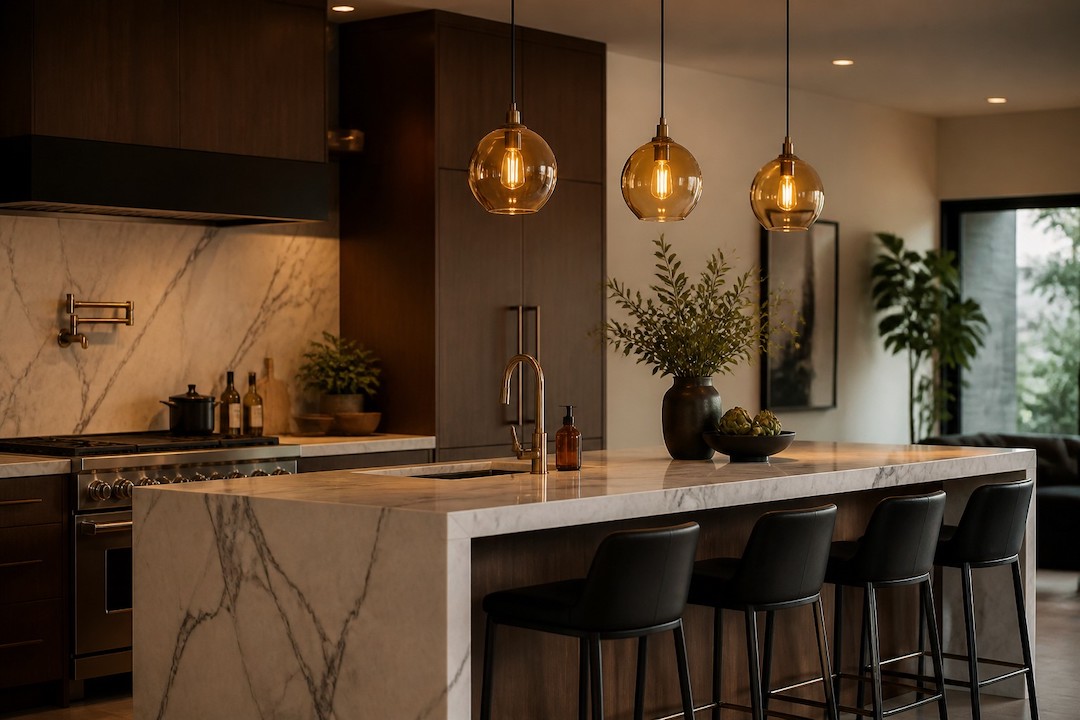
Marble, with its elegant veining and often cool tones, is a timeless choice for a kitchen island. It brings a sense of luxury and a slightly formal feel. Amber glass pendant lights Enconco, on the other hand, introduce warmth and a touch of vintage charm. The rich, earthy tones of amber – think honey, cognac, or even a deep smoky topaz – contrast wonderfully with the subtle greys, whites, and sometimes even pinks found in marble.
This combination is a masterclass in visual balance. The coolness of the marble is softened by the inviting glow of the amber light, preventing the space from feeling sterile. It’s like adding a perfectly chosen piece of jewelry to an already stunning outfit. The light itself, when it spills onto the marble surface, creates beautiful, diffused reflections that enhance the stone’s natural patterns.
Different Shades of Amber and Their Impact
Not all amber is created equal, and the specific hue you choose can dramatically alter the mood of your kitchen. It’s not just about picking a color; it’s about understanding how that color will interact with the light and your existing décor.
Honey Amber: Warmth and Versatility
Honey amber is probably the most common and perhaps the most versatile. It’s a classic golden hue that radiates a welcoming, cozy feeling.
Perfect for Everyday Use
This shade of amber is ideal for a kitchen where you’ll be spending a lot of time cooking, entertaining, and just generally living. It’s bright enough to provide good task lighting when needed, but still soft enough to create a relaxed atmosphere.
Pairs with Lighter Marbles
If your marble island has a lot of white or very pale grey veining, honey amber will really make it pop, adding a comforting contrast without overpowering the delicate patterns.
Cognac Amber: Deep and Moody
Cognac amber is a richer, deeper shade, leaning towards a reddish-brown or dark caramel. It’s more sophisticated and can bring a sense of drama and intimacy.
Creating a Cozy Ambiance
This is your go-to if you want your kitchen island to feel like a lounge area. Think evening cocktails or intimate dinners. The deeper hue is inherently more grounding.
Enhancing Darker Marbles
If your marble has significant grey or even black veining, cognac amber will create a luxurious, almost jewel-box effect. It complements the depth of the stone.
Smoky Amber: Subtle and Sophisticated
Smoky amber is a more muted, translucent version. It’s often a lighter, almost translucent brown with a hint of warmth. This is for those who want a very subtle hint of amber without an overtly golden glow.
Understated Elegance
This shade offers a refined touch. It’s perfect if you prefer a more minimalist aesthetic but still want the visual interest and warmth that amber can provide.
Works with Almost Any Marble
The subtlety of smoky amber makes it incredibly adaptable. It won’t clash with any marble tone and can act as a neutral with a bit of character.
Ochre Amber: Earthy and Artistic
Ochre amber is a more muted, earthy yellow-brown. It has an artistic, almost antique feel to it.
Adding a Bohemian Touch
If your kitchen leans towards a more eclectic or bohemian style, ochre amber can be a fantastic choice, adding a touch of natural, artisanal charm.
Complementing Natural Wood Tones
If you have any natural wood elements in your kitchen (cabinets, shelves, flooring), ochre amber will tie in beautifully with those organic textures.
Pendant Light Styles to Consider
Beyond the color of the glass, the actual shape and design of your pendant lights will play a huge role in the overall aesthetic. You want something that complements both the amber glass and the marble island.
Bell-Shaped Pendants: Classic and Timeless
The bell shape is a perennial favorite for a reason. It offers a generous spread of light and a familiar, comforting silhouette.
Traditional Appeal
A bell-shaped amber glass pendant evokes a sense of tradition and enduring style. It’s a safe bet if you want a look that won’t go out of fashion.
Even Light Distribution
The wider opening at the bottom of a bell shape allows for good downward light, making it excellent for task lighting on your island.
Globe or Sphere Pendants: Modern and Minimalist
A simple globe or sphere of amber glass offers a clean, contemporary look. This is a great way to introduce amber without being too ornate.
Clean Lines
If your kitchen is more modern or minimalist, a spherical amber pendant can add a warm accent without disrupting the clean aesthetic.
Subtle Statement
The beauty here is in its simplicity. A single, well-placed globe can be a sophisticated focal point.
Dome or Bowl Pendants: Functional and Stylish
These pendants have a wider, flatter top that curves down to a more enclosed bottom. They are highly functional and can be very stylish.
Directed Lighting
Dome pendants are excellent for directing light downwards, which is ideal for food preparation and task-oriented activities on your island.
Vintage Vibes
The dome shape can lend a retro or industrial feel, depending on the finish of the metal components, and when paired with amber glass, it’s a winning combination.
Teardrop or Flask-Shaped Pendants: Artistic and Unique
For something a bit more distinctive, consider pendants shaped like teardrops or vintage flasks. These add an artistic flair.
Adding Personality
These designs are great for kitchens where you want to express more personal style and move away from the more common shapes.
Focus on Detail
The unique silhouette can draw attention to the craftsmanship and design of the lighting itself.
Lantern-Style Pendants: Eclectic and Characterful
Lantern pendants often feature a more intricate design, sometimes with metal cages around the glass.
Adding Character
If your kitchen has an eclectic or even slightly farmhouse-inspired feel, lantern pendants with amber glass can add a wonderful layer of character and charm.
Playing with Texture
The combination of metalwork and amber glass can create interesting visual textures.
Hanging Height and Spacing: Getting it Right
This is where practicality really comes into play. The height at which you hang your pendants, and the distance between them, is crucial for both aesthetics and functionality. Get this wrong, and even the most beautiful lights can feel awkward.
Ideal Hanging Height
The general rule of thumb is to hang pendants so the bottom of the fixture is about 30-36 inches above the countertop. This height provides sufficient task lighting without being blinding and allows for comfortable head clearance.
Task Lighting Needs
If your primary need is strong task lighting for chopping and food prep, you might lean towards the lower end of this range.
Visual Flow
For a more open and airy feel, or if your island is used more for casual dining and conversation, you might go slightly higher. It’s always good to measure and visualize.
Spacing Between Pendants
The spacing depends on the size of your island and the size of the pendants themselves. The goal is to create a balanced and visually appealing arrangement.
Visual Balance
A good starting point is to ensure there’s roughly equal space between each pendant and between the pendants and the ends of the island.
Consider Pendant Size
Larger pendants will naturally require more space between them, while smaller, more numerous pendants can be clustered closer. Don’t let them feel crammed, nor too spread out and disconnected.
The ‘Rule of Thirds’
Some designers suggest placing the center of your pendants roughly one-third of the way in from each end of the island. This can create a very pleasing composition.
Material Considerations for Your Pendant’s Fixture
The metal or material that forms the base and fixture of your amber glass pendant light is just as important as the glass itself. It needs to harmonize with your kitchen’s overall palette.
Brushed Brass/Gold Tones: Warm and Luxurious
Brushed brass or gold finishes offer a warm, inviting look that complements amber glass exceptionally well.
Enhancing the Warmth
These finishes amplify the cozy, rich tones of the amber glass, creating a cohesive and luxurious feel.
Pairing with Marble Veining
Brushed brass can particularly accentuate any warmer tones (like subtle gold or cream) that might be present in your marble’s veining.
Matte Black: Modern and Dramatic
Matte black fixtures provide a striking contrast and a modern edge to amber glass pendants.
Bold Statement
This combination is for those who want their lighting to be a significant design element. The black grounds the amber beautifully.
Versatility with Marble
Matte black works with virtually any marble, from pure white to darker, more dramatic slabs. It offers a sophisticated, edgy vibe.
Brushed Nickel/Silver Tones: Cool and Contemporary
While amber is warm, some may prefer to keep the metallic elements cooler. Brushed nickel or silver can work.
Subtle Contrast
This offers a more understated contrast. The cooler metal won’t compete with the warmth of the amber, allowing the glass to be the star.
Modern Appeal
If your kitchen has more cool-toned hardware or appliances, brushed nickel can create a more unified, contemporary look.
Oil-Rubbed Bronze: Earthy and Timeless
Oil-rubbed bronze offers a dark, muted, and slightly aged appearance. It’s a fantastic choice for a timeless or rustic feel.
Rich and Deep
This finish has a depth that pairs well with the richness of amber glass, creating an enduring and elegant look.
Works with Many Styles
It’s versatile enough for traditional, transitional, or even some industrial-inspired kitchens.
Beyond the Glow: Bulb Choice and LED Considerations
The light bulb you choose is the engine behind your pendant’s glow. The type, color temperature, and even the wattage can drastically alter the final effect.
Bulb Type: Incandescent vs. LED
While incandescent bulbs produce a warm, desirable light, they are energy-inefficient and are being phased out. LED technology has come a long way.
LEDs for Energy Efficiency
Modern LEDs are incredibly energy-efficient and long-lasting, saving you money and hassle in the long run.
LEDs Mimicking Incandescent Warmth
Look for “warm white” or “very warm white” LEDs. Many are designed to replicate the soft, inviting glow of traditional incandescent bulbs.
Color Temperature: Kelvin (K)
The Kelvin rating tells you how warm or cool the light will appear. For amber glass pendants, you’ll want to aim for warmer tones.
Aim for 2200K – 2700K
This range mimics candlelight or a traditional incandescent bulb. It’s the sweet spot for creating that cozy, inviting ambiance that amber glass is known for.
Avoid Cooler Temperatures
Temperatures above 3000K will start to look too white or even bluish, which will counteract the intended warmth of your amber pendants.
Dimmability: Essential for Ambiance Control
The ability to dim your pendant lights is a game-changer for setting the mood.
Creating Different Atmospheres
Dim your lights for a romantic dinner or a relaxed evening. Brighten them for cooking or cleaning.
Compatibility is Key
Ensure both your pendant lights (or their compatible bulbs) and your dimmer switch are designed to work together. Check the manufacturer’s specifications.
Filament Bulbs: Aesthetic Appeal
Many amber glass pendants are designed to showcase their bulbs, making filament-style LED bulbs a popular choice.
Vintage Look
These bulbs feature exposed filaments that glow, adding a beautiful vintage aesthetic that complements the amber glass perfectly.
Warm and Inviting Glow
Filament LEDs are typically available in very warm color temperatures, enhancing the overall cozy feel.
Final Touches: Complementary Décor and Accessories
Once your stunning amber glass pendants are in place, consider how they tie into the rest of your kitchen’s décor. It’s about creating a cohesive story.
Mixing Materials
Don’t be afraid to mix and match materials. The marble island is the star, but other textures can enhance it.
Natural Wood Accents
Wooden cutting boards, bowls, or even a small stool can bring an organic element that pairs beautifully with the warmth of amber.
Metallic Accents
Coordinate your pendant hardware with other metallic elements in your kitchen, like cabinet handles, faucet finishes, or decorative trays.
Color Palette Integration
Think about the colors present in your marble, your cabinets, and your backsplash.
Echoing Marble Tones
If your marble has subtle pink veining, consider a few ceramic pieces or accessories in a soft blush. If it has greens, a small potted herb can add a touch of life.
Neutral Foundations
Let the amber pendants be a focal point against a relatively neutral backdrop. This allows their warmth and color to shine without overwhelming the space.
Textiles and Soft Furnishings
While a kitchen is a functional space, small textile additions can add comfort and style.
Kitchen Towels and Rugs
Choose linens or a small runner rug that incorporates colors that complement your amber pendants or marble. Think earthy tones, soft greys, or even a touch of muted gold.
Cushions for Stools
If you have bar stools at your island, comfortable cushions in a coordinating fabric can make the space even more inviting.
Choosing amber glass pendant lights for your marble kitchen island is a thoughtful design choice that can elevate your kitchen from functional to fabulous. It’s about balancing the cool elegance of marble with the inviting warmth of amber, all while ensuring your lighting is practical and beautiful. With careful consideration of the shade, style, height, and bulb type, you can create a kitchen island that is not only a stunning centerpiece but also a truly delightful space to gather and create.