
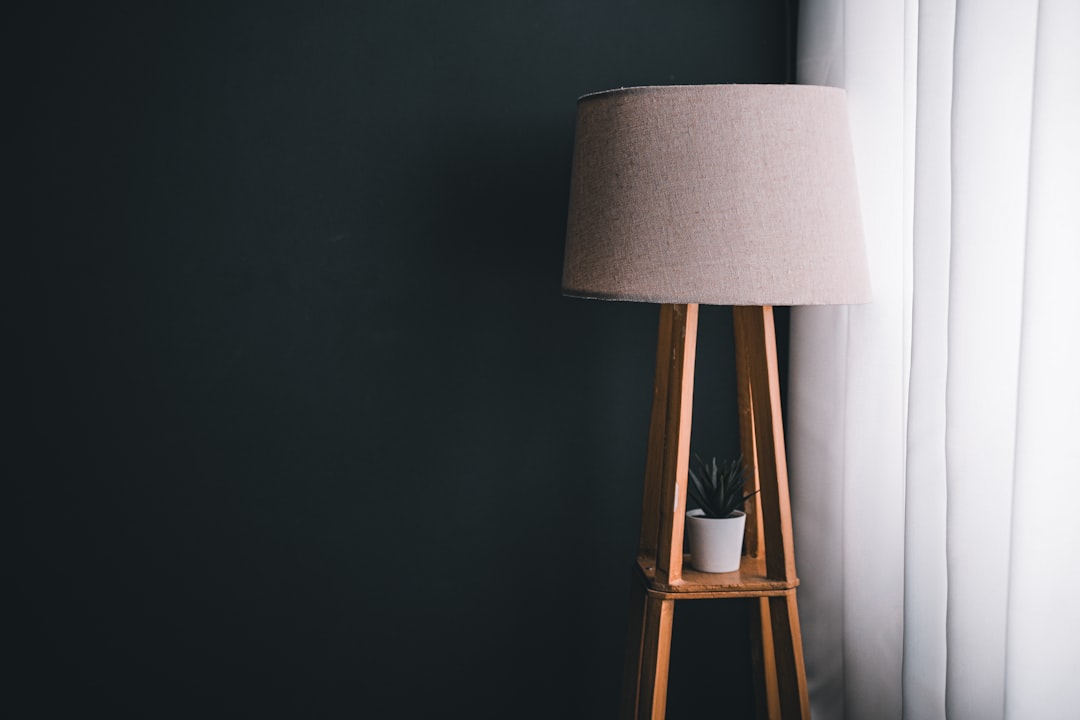
Scandinavian Fabric Shade Floor Lamp: A Stylish Lighting Solution

So, you’re wondering about Scandinavian fabric shade floor lamps? Simply put, they’re a fantastic lighting solution that combines understated elegance with practical functionality, making them a popular choice for modern and minimalist interiors. They offer a soft, diffused light that’s incredibly inviting and can effortlessly elevate the mood of any room.
Scandinavian design isn’t just a trend; it’s a philosophy built on principles that translate beautifully into lighting.
Focus on Functionality
At its core, Scandinavian design prioritizes usefulness. Every element serves a purpose. With a floor lamp, this means it’s designed to provide effective illumination without unnecessary frills. You’re not just getting a pretty lamp; you’re getting a practical tool for lighting your space.
Embrace of Simplicity
Clutter is the enemy of Scandinavian design. These lamps are streamlined, featuring clean lines and a minimalist aesthetic. This simplicity ensures they don’t overpower your existing decor, instead blending seamlessly and enhancing it.
Natural Materials and Textures
You’ll often find natural materials like wood, linen, or cotton in Scandinavian designs. Fabric shades, in particular, are key. They soften the light, creating a warm, inviting glow that’s much more pleasant than harsh direct light. This focus on natural textures adds an organic touch to your space.
Light and Bright Spaces
Scandinavian countries experience long, dark winters, so maximizing light is crucial. These lamps contribute to a bright, airy feel, even in poorly lit rooms, by diffusing light widely and gently. They help create an illusion of greater spaciousness.
The Allure of the Fabric Shade
The fabric shade is more than just a cover; it’s a crucial element in the Scandinavian floor lamp’s appeal.
Soft, Diffused Lighting
This is arguably the biggest benefit. Fabric shades act as a natural diffuser, spreading light evenly and reducing harsh shadows. Think of it like sunlight filtering through clouds – gentle, widespread, and infinitely more comfortable for your eyes than a bare bulb. This is ideal for creating a relaxed atmosphere, perfect for reading, unwinding, or intimate conversations.
Warmth and Texture
Beyond light diffusion, fabric adds warmth and texture to a room. A linen or cotton shade brings a tactile element that hard materials can’t. It introduces a subtle organic touch that makes a space feel more lived-in and comfortable, rather than sterile and cold.
Aesthetic Versatility
Fabric shades come in various textiles, from crisp linen to slubby cotton or even pleated paper-like materials. This variety means you can find a shade that perfectly complements your existing decor, adding visual interest without being flashy. They are also easily replaceable, offering a simple way to refresh a lamp’s look without buying a whole new fixture.
Reduced Glare
Direct light from an exposed bulb can be harsh and create uncomfortable glare, especially on screens or reflective surfaces. Fabric shades effectively mitigate this by scattering the light, making screen time or reading much more comfortable. Your eyes will thank you.
Key Features to Look For
When choosing a Scandinavian fabric shade floor lamp, there are a few practical aspects to consider to ensure you pick the right one for your needs.
Shade Material and Color
The material of the shade dramatically impacts the light quality and the lamp’s overall look.
Linen and Cotton
These are classic choices for a reason. They offer excellent diffusion and a natural, organic feel. Lighter colors like white, cream, or light grey will maximize light output, while darker shades will create a more subdued, intimate ambience. Consider the existing color palette of your room.
Pleated Shades
These add a lovely textural detail and can create interesting light patterns. They often bring a slightly more traditional or crafted feel, while still retaining Scandinavian simplicity. They also tend to diffuse light very well.
Paper Shades
Often associated with Noguchi-style lamps, paper shades offer a delicate, ethereal quality. They are lightweight and provide a very soft, diffused glow. However, they can be more delicate than fabric and may not be suitable for high-traffic areas.
Base and Stand Design
The base and stand are where you’ll see a lot of the minimalist Scandinavian aesthetic come through.
Tripod Bases
These are a hugely popular choice, offering excellent stability and a visually appealing structure. The three legs create an open, airy feel that prevents the lamp from looking heavy or cumbersome. They come in various finishes, from natural wood to painted metal.
Single Pole Bases
Sleek and understated, single-pole bases occupy less floor space. They often feature an unadorned, slim profile, making them perfect for fitting into tighter corners or alongside furniture where a tripod might be too wide. Materials range from solid wood to painted or brushed metal.
Materials (Wood, Metal, Mixed)
Natural wood, especially light woods like birch or ash, is a hallmark of Scandinavian design. It adds warmth and an organic touch. Metal, often black, white, or brushed brass, offers a more contemporary edge. Sometimes, you’ll find a mix, like a wooden base with a metal stem – a nice balance between warmth and industrial chic.
Size and Proportion
Don’t overlook the physical dimensions of the lamp. A lamp that’s too big can overwhelm a small room, while one that’s too small can get lost in a larger space.
Height and Diameter
Consider the overall height of the lamp and the diameter of the shade. A taller lamp might be ideal for ambient lighting in a living room, while a shorter one could work well next to a reading chair. The shade diameter influences how much space the lamp takes up visually and how widely the light spreads. Think about the scale of your furniture.
Placement Considerations
Where will the lamp go? Next to a sofa, in a reading nook, or in a corner? This will dictate the appropriate size and help you decide if a tripod or single-pole base is more suitable. Ensure it doesn’t obstruct walkways or look cramped.
How to Incorporate Them into Your Home
Bringing a Scandinavian fabric shade floor lamp into your space is usually quite straightforward, given their adaptable nature.
Living Room Ambiance
This is a prime spot. A floor lamp can provide soft background lighting, perfect for evening unwinding or entertaining. Placing one next to your sofa or an armchair creates a cozy reading nook without harsh overhead lighting. It contributes to the overall warmth and comfort of the room.
Bedroom Softness
In a bedroom, these lamps offer a wonderfully gentle alternative to bright overhead lights, especially in the evenings when you’re winding down. Placing one in a corner or next to a dresser can add a soft glow, making the room feel more serene and inviting. It’s ideal for creating a calming atmosphere before bed.
Hallway Accent and Illumination
Hallways can often feel a bit neglected when it comes to lighting. A Scandinavian floor lamp can transform a dark corner into an inviting focal point. Its diffused light helps to break up long, narrow spaces and add a touch of design. It’s practical for navigating at night without being too bright.
Reading Nooks and Cozy Corners
This is where these lamps truly shine. Their soft, diffused light is perfect for focusing on a book without straining your eyes. The warmth of the fabric shade enhances the feeling of coziness, making your reading nook an even more inviting retreat. Pair it with a comfortable chair and a small side table for the perfect setup.
Home Office Comfort
While task lighting is crucial in an office, a floor lamp can offer beneficial ambient light to reduce eye strain from computer screens. It helps to create a more relaxed and comfortable working environment, contrasting with potentially harsh overhead lighting or window glare. It makes your workspace feel less sterile and more inviting.
Maintenance and Care
Keeping your fabric shade in good condition is pretty simple, and it’ll ensure your lamp continues to look its best.
Dusting Regularly
Fabric shades can attract dust. A quick, gentle dusting with a soft cloth or a feather duster once a week will keep it looking fresh. For more stubborn dust, a lint roller can work wonders.
Spot Cleaning
Accidents happen. For small spills or marks, use a slightly damp cloth with a very mild soap solution. Test it on an inconspicuous area first to ensure it doesn’t leave a water mark or discolor the fabric. Always blot, don’t rub, and let it air dry completely.
Bulb Choices
The bulb you choose will impact not just the brightness but also the temperature of the light.
LED Bulbs
These are generally the best choice. They are energy-efficient, long-lasting, and don’t produce much heat, which is good for fabric shades. You can also pick different color temperatures – warmer, softer light (around 2700K-3000K) is often preferred for ambient lighting, while a slightly cooler light (3500K-4000K) might be useful for reading.
Dimmable Options
If your lamp has a dimmer switch, make sure to use dimmable LED bulbs. This gives you fantastic flexibility to adjust the light level to suit different moods or activities, from bright reading light to a very subtle, warm glow.
Safety Tips
Just a few common-sense precautions.
Correct Wattage
Always use a bulb with a wattage that’s appropriate for your lamp, as indicated on the lamp’s socket or instructions. Exceeding the recommended wattage can lead to overheating and pose a fire hazard, especially with fabric shades.
Stable Placement
Ensure your floor lamp is placed on a stable, level surface and that its cord isn’t a tripping hazard. If you have pets or small children, consider placing it in a less accessible area or choosing a lamp with a very heavy, stable base.
Beyond the Lamp: Complementary Decor
A Scandinavian fabric shade floor lamp ties your room together beautifully, but a few other elements can enhance its impact.
Rugs and Textiles
Natural fiber rugs (like jute or wool) or throws with simple patterns complement the fabric shade perfectly. They add warmth and texture, echoing the lamp’s materials and creating a cohesive, layered look. Think soft blankets draped over a sofa or a textured cushion on a chair.
Wooden Furniture
Clean-lined wooden furniture, whether light or dark, pairs wonderfully with these lamps. The natural wood tones resonate with possible wooden elements in the lamp’s base or the organic feel of the fabric shade, contributing to a harmonious, understated aesthetic.
Greenery
A few well-placed plants can bring life and freshness into a room. The organic shapes and colors of plants often juxtapose beautifully with the clean lines of Scandinavian design, creating a balanced and inviting atmosphere. A tall plant near the lamp can complete a cozy corner.
Neutral Color Palettes
Scandinavian design typically leans on neutral colors like whites, greys, and muted earth tones. These palettes allow the subtle textures and clean forms of the lamp to stand out, creating a calm and cohesive environment. The lamp then acts as a gentle highlight rather than a jarring element.
Choosing a Scandinavian fabric shade floor lamp isn’t just about buying a light source; it’s about investing in a piece that brings warmth, style, and effective illumination to your home. They are designed for living, offering practicality without sacrificing beauty, making them a truly smart and stylish choice for almost any interior.