Upgrade Your Bathroom with IP44 Rated Waterproof Ceiling Light

Thinking about brightening up your bathroom ceiling? You’ve probably noticed that not just any light will do in a steamy, splashy environment like a bathroom. The magic answer you’re looking for involves IP44 rated waterproof ceiling lights. They’re designed specifically to handle the moisture and humidity found in bathrooms, offering both safety and style. Let’s dive into why these lights are your best bet and how to get the most out of them.
So, what exactly does “IP44” mean, and why is it the gold standard for bathroom ceiling lights Ninpodesign? It’s all about protection.
Understanding the IP Rating System
The “IP” stands for Ingress Protection. It’s an international standard that tells you how well an electrical enclosure (like your light fixture) is protected against solid objects and liquids getting inside.
The First Digit: Solids
The first number in an IP rating refers to protection against solid objects, like dust and fingers.
Protection Against Dust and Fingers
For IP44, the “4” means the fixture is protected against solid objects larger than 1 millimeter. This is important because it prevents small wires or components from being directly exposed to the air, which could be a safety hazard. It also means that something as small as a stray hair or dust bunny is unlikely to cause immediate damage.
The Second Digit: Liquids
The second number is where the real bathroom relevance comes in. This digit indicates protection against liquids.
Splash Proof Defense
The “4” in IP44 signifies that the light fixture is protected against splashing water. This is crucial for bathrooms as it means the light can withstand water being sprayed at it from any direction. Think of it as being able to handle those accidental splashes from the shower or sink without short-circuiting or becoming a safety risk. It’s the sweet spot for most bathroom zones where direct hose-down isn’t expected.
Beyond the Basics: What IP44 Really Means for Your Bathroom
Moving beyond the technical jargon, an IP44 rating means peace of mind and practical functionality for your bathroom space.
Safety First in a Wet Environment
Bathrooms are inherently wet. Water and electricity don’t mix well, so choosing a light with adequate protection is paramount.
Preventing Electrical Hazards
An IP44 rated light is built with seals and construction that prevent water droplets from easily reaching the electrical components. This significantly reduces the risk of electric shocks, short circuits, and potential fires, making it a safe choice for a room where humidity is a constant factor.
Durability in the Face of Humidity
The constant presence of steam and moisture can be tough on standard light fixtures.
Fighting Corrosion and Degradation
IP44 lights are designed to resist the corrosive effects of moisture. This means they are less likely to rust, corrode, or have their internal components degraded over time due to the humid bathroom air. You can expect your light to last longer and maintain its performance in the challenging bathroom environment.
Choosing the Right IP44 Light for Your Bathroom Layout
Not all bathrooms are created equal, and your light fixture should reflect your specific needs and the zones within your bathroom.
Understanding Bathroom Lighting Zones
For safety regulations, bathrooms are divided into different zones based on their proximity to water sources.
Zone 0: Inside the Bathtub or Shower
This is the area directly within the bathtub or shower base.
Extremely High Water Exposure
If you’re considering lighting within this zone (which is rare and requires very specific, super-low voltage IP67+ fixtures), you need the highest level of protection. Standard IP44 lights are definitely not suitable here.
Zone 1: Above the Bathtub or Shower
This zone extends up to 2.25 meters from the floor and sits directly above the bathtub or shower.
Potential for Splashing and Steam
While not submerged, this area can experience direct splashing and significant steam. IP44 rated lights are generally suitable for this zone, provided they have a suitable junction box or connection point.
Zone 2: The Area Around the Bath or Shower
This zone extends 0.6 meters horizontally from the edge of the bath or shower and up to 2.25 meters high.
Moderate Risk of Splashing
This is a common area where IP44 lights are ideal. Think of the wall area next to your shower or the space above a freestanding tub. Light splashes are the primary concern here.
Zone 3 (or Outside Zones): General Bathroom Area
This includes all other areas of the bathroom not covered by the above zones.
Lower Risk of Water Exposure
Even in these areas, the general humidity of a bathroom means that standard indoor lights might not last as long. However, for ceiling lights further away from the immediate splash zones, an IP44 rating still offers added durability.
Types of IP44 Ceiling Lights Available
The good news is that IP44 doesn’t limit your design options significantly.
Flush Mount Fixtures
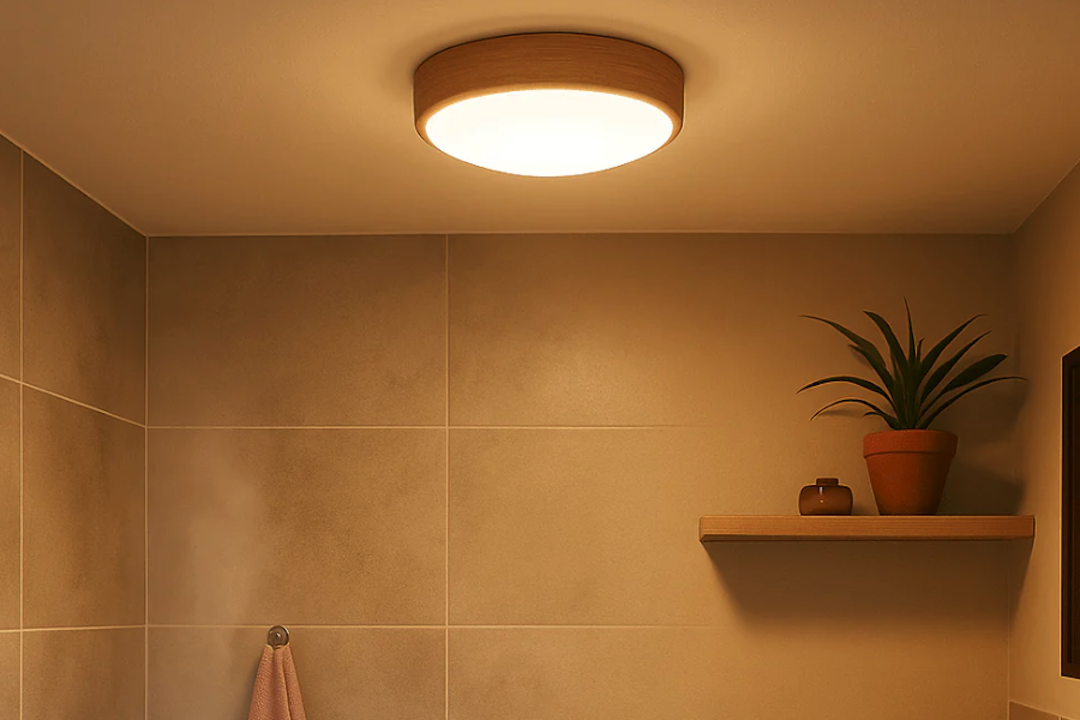
These lights sit directly against the ceiling, offering a clean, minimalist look.
Space-Saving and Discreet
Flush mounts are excellent for bathrooms with lower ceilings, as they don’t hang down and create a sense of more space. Their enclosed design often lends itself well to achieving IP44 ratings.
Semi-Flush Mount Fixtures
These fixtures hang slightly away from the ceiling, usually with a decorative canopy.
Adding a Touch of Style
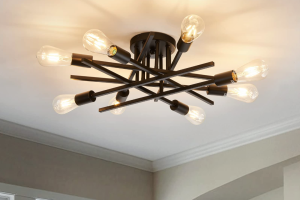
Semi-flush mounts can add a bit more visual interest than flush mounts while still being relatively compact. Many styles now come with IP44 ratings.
Recessed Spotlights (Downlights)
These are lights that are built into holes in the ceiling.
Modern and Integrated Look
Recessed spotlights offer a very sleek, modern aesthetic. When selecting IP44 rated versions, ensure they are designed for wet areas and have appropriate seals around the trim.
Pendant Lights (with IP44 Rating)
While less common for primary ceiling illumination in bathrooms, some decorative pendant lights are now available with IP44 ratings for specific placement.
Decorative Accents
These might be used in larger bathrooms over a vanity or in specific alcoves, offering a more statement lighting piece.
Installation Considerations for Your IP44 Light
Even with the right fixture, proper installation is key to ensuring safety and performance.
Hiring a Qualified Electrician: A Must
While this article focuses on the lights themselves, it’s essential to stress the importance of professional installation.
Safety is Non-Negotiable
Working with electricity, especially in a bathroom environment, carries inherent risks. A qualified electrician understands the wiring regulations, grounding requirements, and how to properly seal connections to maintain the IP44 rating of your fixture. They can also advise on the best placement for your specific bathroom layout.
Wiring and Connections: Maintaining the Seal
The way your IP44 light is wired is crucial for its protective qualities.
Using Waterproof Junction Boxes
If your chosen light doesn’t have an integrated junction box, you’ll need to ensure that any external junction boxes used for wiring are also waterproof and rated appropriately for bathroom use.
Protecting Your Connections
These boxes prevent moisture from reaching the wire nuts and connections, which is vital for preventing corrosion and electrical faults.
Sealing Against the Ceiling
The seal between the light fixture and the ceiling is also important.
Preventing Moisture Ingress
Many IP44 rated fixtures come with rubber gaskets or seals to ensure a tight fit against the ceiling, preventing any stray water or condensation from getting behind the fixture. Your electrician will ensure these are correctly fitted.
Lighting Design Tips for Your IP44 Ceiling Fixture
Beyond just choosing a safe light, think about how it contributes to your bathroom’s overall atmosphere and functionality.
Layering Your Bathroom Lighting
A single ceiling light might not be enough for a well-designed bathroom.
Ambient Lighting
This is your main light, which the IP44 ceiling fixture will provide.
General Illumination Needs
Your IP44 ceiling light is the foundation for providing general light that allows you to move around safely. Consider the brightness (lumens) to ensure it adequately lights the entire space without being harsh.
Task Lighting
This is focused light for specific activities.
Vanity Lighting Importance
Think about mirrors. Lights around the mirror offer the best illumination for grooming tasks like shaving or applying makeup, minimizing shadows.
Accent Lighting
This is for creating mood or highlighting features.
Adding Ambiance
While not directly related to the ceiling fixture, consider if you want dimmable options for your main ceiling light or the possibility of adding small waterproof wall sconces for a softer glow in the evenings.
Choosing the Right Color Temperature
The “warmth” or “coolness” of your light can significantly impact the feel of your bathroom.
Warm White (Around 2700K-3000K)
This is similar to the light produced by traditional incandescent bulbs.
Creating a Relaxing Atmosphere
Warm white light is generally considered more inviting and relaxing, which can be perfect for a bathroom where you want to unwind in the bath.
Cool White or Daylight (Around 4000K-6500K)
This light is brighter and more energizing, similar to natural daylight.
For Task-Oriented Spaces
Cooler temperatures are often preferred for task lighting, like vanity lights, as they can make colors appear more true and provide better clarity. For a ceiling light, you might consider a neutral white (around 3500K-4000K) for a good balance.
Maintaining Your IP44 Bathroom Ceiling Light
Just like any fixture, a little care goes a long way in keeping your IP44 light looking and working its best.
Regular Cleaning to Prevent Buildup
The bathroom environment can lead to soap scum and mineral deposits.
Gentle Cleaning Procedures
Use a soft, damp cloth to wipe down the fixture. Avoid abrasive cleaners or harsh chemicals, as these can damage the finish or compromise any seals. For stubborn marks, a mild, non-abrasive soap mixed with water should suffice.
Inspecting Seals and Fixture Integrity
Periodically check that everything is as it should be.
Looking for Signs of Wear
Even with IP44 protection, it’s a good idea to give your light a quick visual inspection every so often. Look for any cracks in the diffuser, loose fittings, or signs of moisture ingress around the edges. If you notice anything concerning, it’s best to have it checked by a qualified professional.
Replacing Bulbs Safely
When it’s time to change a bulb, safety should still be a priority.
Always Turn Off Power
Before attempting to replace a bulb, always make sure the power to the light fixture is turned off at the circuit breaker or fuse box. This is a fundamental electrical safety rule, especially critical in a bathroom.
Understanding Bulb Types
Ensure you are replacing the bulb with the correct type and wattage as specified by the manufacturer for your light fixture. Using the wrong bulb can shorten the lifespan of the fixture or even be a fire hazard.
By opting for an IP44 rated waterproof ceiling light, you’re making a smart investment in the safety, durability, and overall aesthetic of your bathroom. It’s a practical choice that brings peace of mind and a well-lit space for years to come.