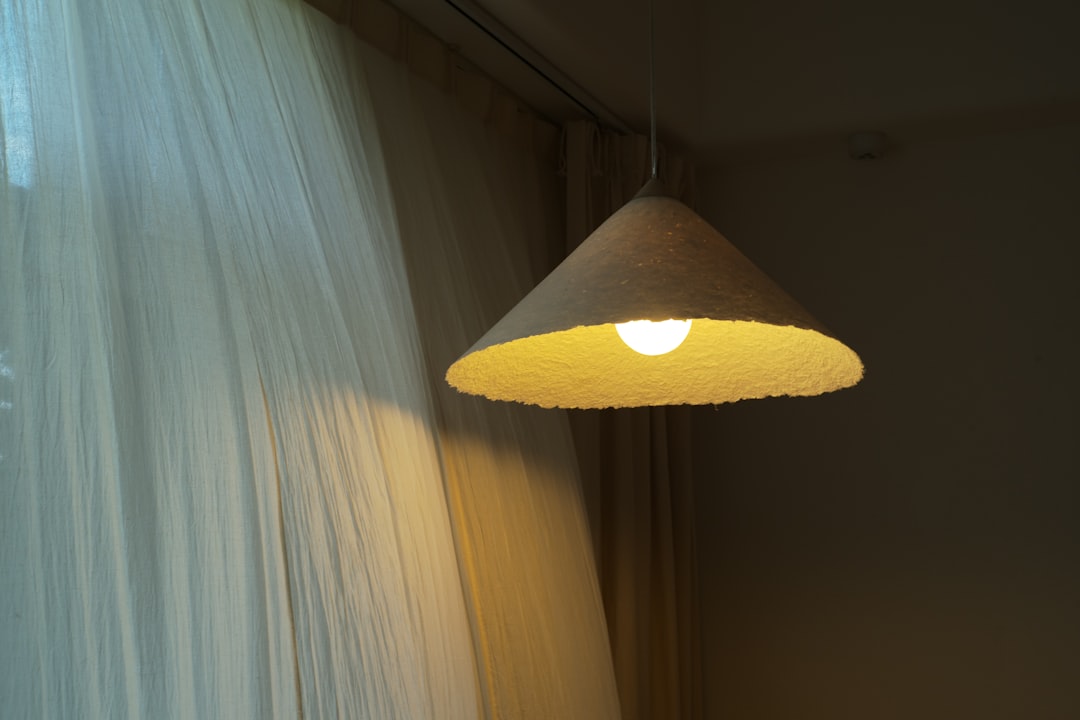
Scandinavian Felt Acoustic Pendant Light: Stylish Sound Solution

Looking to quiet things down and add a touch of style? Scandinavian felt acoustic pendant lights offer a practical and attractive solution for reducing noise and improving the aesthetics of your space. They combine the sound-absorbing properties of felt with minimalist design, making them a smart choice for homes, offices, and even public spaces.
Essentially, these are light fixtures designed with sound absorption in mind. Unlike typical pendants that focus solely on illumination, acoustic pendants use materials like felt to soak up sound waves, reducing echo and reverberation.
More Than Just a Light
Think of it this way: a traditional light just illuminates. An acoustic light fixture does that and also helps manage the acoustics in the room. It’s a two-for-one deal.
The Problem with Hard Surfaces
Many modern spaces are full of hard, reflective surfaces – glass, concrete, polished wood. These surfaces bounce sound around, creating an echo chamber effect. This makes conversations difficult and generally creates a less comfortable environment.
Where Acoustic Pendants Fit In
Acoustic felt pendants intercept these sound waves, absorbing a significant portion of them before they can bounce back. The felt material, with its fibrous and porous nature, is excellent at this.
Why Scandinavian Felt?
The “Scandinavian” part isn’t just about good looks, though they certainly have that. It refers to a design philosophy and often, material choices that prioritize functionality, simplicity, and natural elements.
The Scandinavian Aesthetic
This design style is all about clean lines, understated elegance, and a focus on natural materials. It’s typically unornamented and often uses a muted color palette.
Felts Role in Design and Sound
Felt, particularly the kind used in these pendants, is made from compressed fibers, often recycled PET. This makes it a sustainable choice. From a design perspective, it offers a soft, tactile surface that contrasts nicely with harder architectural elements. Acoustically, its porous nature makes it a fantastic sound absorber.
Sustainability and Environmental Considerations
Many of these felt pendants are made from recycled plastics. This aligns with modern environmental concerns and offers a greener alternative to some other lighting materials. It’s a small step, but every bit helps in reducing our consumption of new resources.
Benefits Beyond Just Light and Sound
While sound absorption and illumination are the primary functions, these pendants offer a few other perks you might not immediately consider.
Improved Speech Intelligibility
In rooms with poor acoustics, understanding conversations can be a struggle. Acoustic pendants reduce background noise and reverberation, making it easier to hear and be heard. This is especially useful in dining areas, open-plan offices, or meeting rooms.
Enhanced User Comfort and Productivity
A noisy environment can be stressful and distracting. By creating a quieter, more pleasant atmosphere, these pendants contribute to a sense of calm and can even improve focus and productivity, particularly in workspaces. No one concentrates well with constant clatter and echoes.
Aesthetic Versatility
Despite their minimalist roots, Scandinavian felt pendants come in a surprising variety of shapes, sizes, and colors. This allows them to integrate into a range of interior styles, from modern and industrial to more bohemian or contemporary settings. They can be a subtle accent or a striking focal point, depending on your choice.
Durability and Maintenance
Felt, especially high-density acoustic felt, is surprisingly durable. It resists fading and holds its shape well. Cleaning is typically straightforward, often requiring just a light vacuuming or a damp cloth for spills, making them a practical choice for long-term use.
Choosing the Right Scandinavian Felt Pendant
With a growing number of options on the market, it’s worth considering a few key factors to ensure you pick a pendant that genuinely meets your needs.
Room Size and Acoustic Needs
Not all rooms require the same level of acoustic treatment. A large, open-plan area with high ceilings will generally benefit more from multiple acoustic elements than a small, carpeted bedroom.
Calculate Your Needs
It’s helpful to assess the existing acoustics. Do you have a noticeable echo? Are conversations difficult? The larger the room and the more hard surfaces it contains, the more acoustic absorption you’ll likely need. A single pendant might make a difference in a smaller room, but larger spaces might require several or even a combination with wall or ceiling panels.
Consider Other Furniture
Look at what else is in the room. Sofas, curtains, and rugs all absorb sound. If your room is already well-furnished with these, you might not need as much additional acoustic treatment. Conversely, if your space is sparsely furnished with hard floors and bare walls, acoustic pendants will have a more significant impact.
Pendant Size, Shape, and Quantity
The physical dimensions and number of pendants play a role in both the visual impact and acoustic performance.
Visual Impact
A single large pendant can make a statement, while a cluster of smaller ones can create visual interest and distribute light and sound absorption more evenly. Consider the scale of the room and the ceiling height. Don’t choose something too small that gets lost, or too large that overwhelms the space.
Acoustic Coverage
Larger pendants, or multiple pendants, offer more felt surface area to absorb sound. Think about where sound sources are in the room (e.g., dining table, workstation) and where you want to mitigate echo. Placing pendants strategically can be more effective than just placing them randomly.
Light Output and Color Temperature
Remember, it’s still a light fixture. The quality and type of light are just as important as the acoustic properties.
Lumens and Brightness
Determine how much light you need for the space. Is it task lighting, ambient lighting, or a combination? Check the lumen output of the pendant’s integrated light source or the recommended bulb.
Color Temperature
The color temperature (measured in Kelvin) affects the mood of the room. Warm white (2700K-3000K) is cozy and inviting, while cool white (4000K-5000K) is more energizing and suitable for task-oriented areas. Some pendants offer tunable white or dimming capabilities, which provides more flexibility.
Felt Color and Finish
While Scandinavian design often favors neutrals, felt pendants come in a range of colors.
Integrating with Your Decor
Choose a felt color that complements your existing palette. Neutrals like gray, charcoal, and off-white are common and versatile. But don’t shy away from subtle pastels or even brighter tones if they fit your design scheme and provide a pop of color.
Texture and Weave
Some felts have a smoother finish, while others have a more textured, almost woven appearance. This small detail can add character and visual depth to the pendant.
Installation Considerations
These aren’t always standard light fixtures, so consider the installation process.
Weight and Support
Acoustic felt pendants can sometimes be heavier than traditional lights due to the density of the felt and internal structure. Ensure your ceiling can support the weight, especially for larger fixtures.
Electrical Requirements
Confirm the pendant light is compatible with your existing electrical setup (voltage, dimmer switches, etc.). If unsure, consult an electrician. It’s always best to get professional help for electrical installations anyway.
Beyond the Pendant: Integrating Acoustic Solutions
While acoustic pendants are effective, they are often part of a broader strategy for sound management.
Because sound radiates in all directions, using only one type of absorber doesn’t always fully solve the problem.
Wall Panels and Art
Acoustic wall panels, often covered in fabric or felt, are another excellent way to absorb sound. There are many decorative options available now that look like modern art rather than utilitarian panels. Combining them with pendants creates a more comprehensive acoustic treatment.
Acoustic Ceiling Panels
For larger rooms or spaces with very high ceilings, acoustic ceiling panels or baffles suspended from the ceiling can be extremely effective. These can be integrated almost seamlessly into the design.
Fabric and Soft Furnishings
Don’t underestimate the acoustic power of soft furnishings. Thick curtains, upholstered furniture, rugs, and even throw pillows all contribute to absorbing sound. These are often the easiest and most budget-friendly first steps in improving room acoustics.
Room Layout and Zoning
How you arrange your furniture can also impact acoustics. Creating distinct “zones” within an open-plan space – perhaps with furniture groupings or even tall shelving units – can help contain sound within specific areas and prevent it from bouncing uncontrollably across the entire room. Placing a soft rug under a dining table, for instance, can significantly dampen the clatter of plates and cutlery, preventing it from reverberating upwards.
Professional Consultation
For complex or high-stakes environments (e.g., recording studios, large office spaces, restaurants), it might be worthwhile to consult an acoustic specialist. They can conduct detailed measurements and recommend a tailored solution that combines various elements for optimal sound quality. They can identify problem areas you might overlook and suggest strategic placements for acoustic materials, including your felt pendants.
By thoughtfully considering these elements, you can transform a noisy, echoey space into a more comfortable, productive, and aesthetically pleasing environment. Scandinavian felt acoustic pendant lights are a fantastic starting point and a stylish component of any holistic acoustic strategy.