Stunning Glass Ceiling Fixtures: Perfect for Formal Entertaining

Ceiling fixtures, particularly those incorporating glass elements, offer both illumination and decorative value in a variety of settings. When designed for formal entertaining spaces, these fixtures often prioritize aesthetics and light distribution to enhance the overall ambiance. This article explores the characteristics, types, and considerations for selecting glass ceiling fixtures in formal environments.
Effective lighting ckensu is fundamental to shaping the atmosphere of any room, and its importance is amplified in formal entertaining areas. These spaces, such as dining rooms, ballrooms, or grand foyers, demand a lighting scheme that is both functional and aesthetically refined.
Illumination as a Design Element
In formal settings, lighting transcends its basic purpose of visibility. It becomes an integral design element, capable of highlighting architectural details, art, or a meticulously set table. The interplay of light and shadow can create a sense of depth and visual interest, which contributes to the perception of elegance and sophistication.
Creating Ambiance
The quality of light directly influences the mood of a space. Warm, dimmable lighting, for example, can foster an intimate and inviting atmosphere, conducive to conversation and fine dining. Conversely, brighter, crisper light might be employed for showcasing artwork or when a more lively, celebratory mood is desired. Glass ceiling fixtures, with their ability to refract and diffuse light, are instrumental in achieving these nuanced lighting effects.
Practical Considerations
Beyond aesthetics, practical aspects of lighting must be addressed. This includes ensuring adequate illumination for tasks like dining without creating glare, and providing flexibility through dimming capabilities to adapt to different entertaining scenarios. The choice of fixture, its placement, and the type of light source all contribute to satisfying these practical requirements.
Types of Glass Ceiling Fixtures for Formal Settings
The market offers a range of glass ceiling fixture types, each with distinct characteristics suitable for formal environments. Understanding these types is crucial for making an informed selection.
Chandeliers
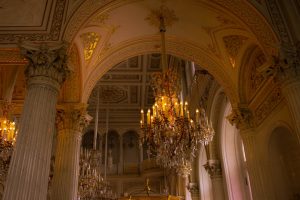
Chandeliers are arguably the quintessential formal ceiling fixture. Historically, they were designed to hold multiple candles, and modern iterations continue this tradition of multiple light sources.
Classic Crystal Chandeliers
These fixtures feature numerous faceted crystal elements that refract light, creating a sparkling effect. Lead crystal, known for its high refractive index, is often used to maximize brilliance. The design often incorporates intricate metalwork, typically brass or chrome, and can range from traditional multi-tiered designs to more contemporary interpretations.
Venetian Glass Chandeliers
Venetian chandeliers, originating from Murano, Italy, are distinguished by their handcrafted glass components. They often feature floral motifs, delicate leaves, and intricate scrolls made from colorful or clear blown glass. The fabrication process often results in unique variations in each piece, adding to their artistic value.
Modern Interpretations
Contemporary chandeliers may retain the multi-bulb structure but often employ simplified forms, geometric shapes, and a combination of materials. Glass elements might be frosted, etched, or colored, and integrated with metals such as brushed nickel or bronze. These designs can offer a sleek alternative to more traditional styles while maintaining a formal presence.
Pendant Lights
While often associated with more casual settings, pendant lights can be adapted for formal spaces through careful design and material choices.
Multi-Pendant Arrangements
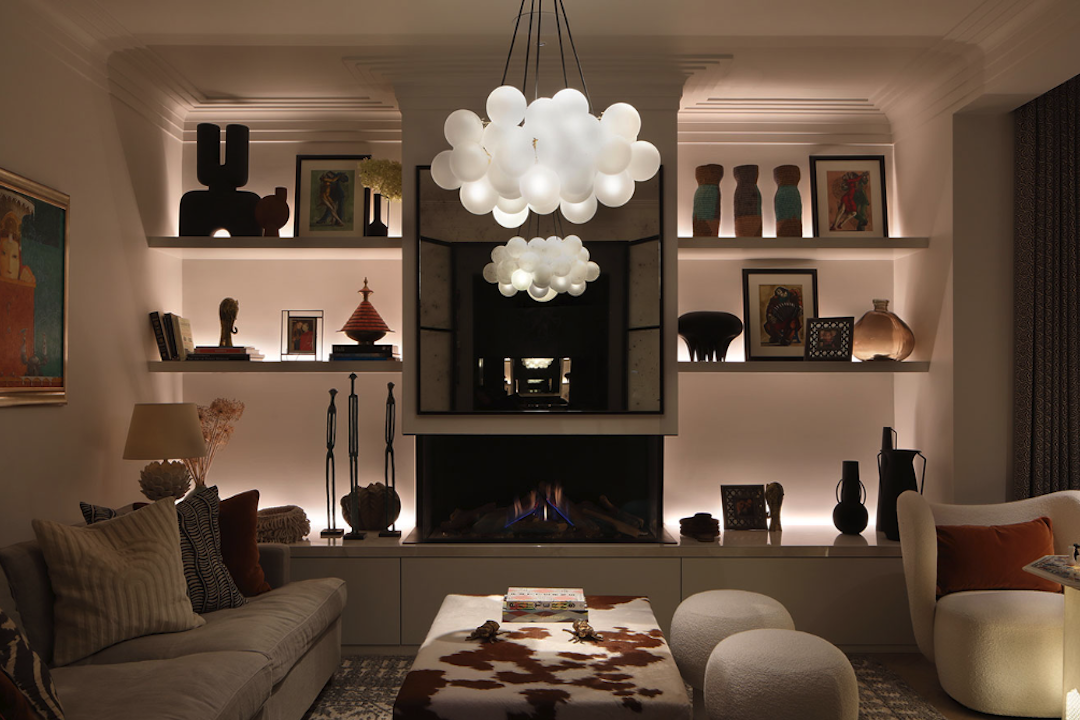
Instead of a single large fixture, an arrangement of multiple smaller pendant lights can create a striking visual impact. These can be hung at varying heights, forming a sculptural display, particularly effective over dining tables or in entryways. The glass itself can be uniform or varied in shape, color, or texture.
Art Glass Pendants
Pendants crafted from art glass, whether hand-blown or slumped, offer unique aesthetic qualities. These pieces can feature abstract patterns, vibrant colors, or subtle iridescence, acting as focal points within a formal room. The light emitted through such glass often takes on a warm, inviting glow.
Flush Mount and Semi-Flush Mount Fixtures
For spaces with lower ceiling heights or where a less dominant fixture is desired, flush mount and semi-flush mount options provide effective illumination without impinging on vertical space.
Enclosed Glass Bowls and Domes
Many flush mount fixtures feature a glass diffuser, often in the shape of a bowl or dome, that encloses the light source. These can be made from frosted, etched, or even stained glass, providing diffused light. In formal applications, these diffusers often feature decorative patterns or high-quality glass finishes.
Tiered or Layered Designs
Semi-flush mounts, which extend slightly from the ceiling, can incorporate multiple tiers or layers of glass elements. These designs add visual depth and complexity, offering a more decorative alternative to simple flush mounts while still remaining relatively close to the ceiling.
Material and Craftsmanship Considerations
The quality of materials and the standard of craftsmanship significantly impact the overall appearance and longevity of glass ceiling fixtures.
Types of Glass
Different types of glass offer distinct aesthetic and optical properties.
Crystal Glass
Crystal glass, particularly lead crystal, is prized for its clarity, sparkle, and refractive qualities. The addition of lead oxide increases the density and brilliance of the glass. Modern alternatives with similar optical properties, often called “lead-free crystal,” are also available, addressing concerns about lead content.
Blown Glass
Blown glass, meticulously shaped by skilled artisans, allows for organic forms, unique textures, and intricate details. Variations in thickness and subtle imperfections are often seen as hallmarks of handcrafted quality, adding character to the fixture.
Art Glass
Art glass encompasses a broad category of decorative glass produced with artistic intent. This can include stained glass, fused glass, or glass with embedded metals or other materials. Each piece is often unique, offering a distinct visual statement.
Metal Finishes and Structural Components
The metal components of a fixture, such as arms, frames, and chains, are as important as the glass elements.
Brass and Bronze
These traditional metals are often used in classic designs. Brass can be polished for a high shine, antique-finished for a darker patina, or brushed for a matte look. Bronze typically offers a richer, darker hue.
Chrome and Nickel
Chrome provides a bright, reflective, modern aesthetic, while brushed nickel offers a more subdued, contemporary finish. Both are durable and resistant to tarnish.
Craftsmanship and Durability
High-quality fixtures display meticulous attention to detail in their construction. Joints should be seamless, electrical components properly integrated, and finishes consistently applied. Durability is a key factor, particularly for intricate designs, ensuring the fixture remains structurally sound and visually appealing over time.
Installation and Maintenance
Proper installation and routine maintenance are essential to ensure the safety, functionality, and aesthetic appeal of glass ceiling fixtures.
Professional Installation
Given the weight, complexity, and electrical requirements, professional installation is strongly recommended for most glass ceiling fixtures, especially chandeliers.
Weight Support
Many ornate glass fixtures are substantial in weight. The ceiling structure must be capable of supporting this load. An electrician or structural engineer can assess the ceiling’s capacity and install appropriate bracing if necessary.
Electrical Wiring
Proper wiring, grounding, and connection to a dimmer switch (if desired) are critical for safety and optimal performance. Compliance with local electrical codes is essential.
Positioning and Height
The careful positioning of the fixture, particularly its height, significantly impacts its visual effect and functional illumination. In a dining room, for instance, a chandelier should be high enough not to obstruct views or conversation, but low enough to effectively illuminate the table. A general rule of thumb is 30-36 inches above a dining table.
Cleaning and Care
Regular cleaning maintains the sparkle and clarity of glass fixtures.
Dusting
General dusting with a soft, lint-free cloth or a feather duster should be performed regularly to prevent dust buildup, which can dull the appearance of the glass.
Deeper Cleaning
For a more thorough cleaning, particularly for crystal, a solution of distilled water and a small amount of mild, ammonia-free glass cleaner can be used. Each crystal or glass element should be carefully wiped and then dried with a clean, lint-free cloth. For intricate fixtures, individual removal of components for cleaning may be necessary, a task often best undertaken by experienced professionals.
Safety Precautions
Always ensure the fixture is turned off and cooled before attempting any cleaning. Avoid abrasive cleaners or brushes, which can scratch or damage the glass and metal finishes.
Selecting the Right Fixture for Your Space
Choosing the appropriate glass ceiling fixture involves considering the existing décor, room dimensions, and desired aesthetic.
Room Scale and Ceiling Height
The size of the fixture should be proportionate to the room. A large, multi-tiered chandelier in a small room can overwhelm the space, while a small pendant in a grand ballroom will appear understated.
Horizontal Proportion
As a general guideline, the diameter of a chandelier or predominant ceiling fixture should be roughly half to two-thirds the width of the table it hangs over, or approximately one-twelfth to one-tenth the sum of the room’s length and width for open spaces.
Vertical Proportion
Ceiling height dictates the feasible drop length of a fixture. In rooms with lower ceilings (8-9 feet), semi-flush or smaller pendant lights are often more suitable. Grand chandeliers require ample vertical space to prevent them from becoming an impediment or visually oppressive.
Aesthetic Harmony
The fixture should complement the existing architectural style and interior design of the formal space.
Architectural Style
For classical or traditional interiors, crystal or Venetian glass chandeliers often integrate seamlessly. Modern or minimalist spaces may benefit from sleek, geometric designs in brushed metals and frosted or colored glass.
Color Palette and Materials
Consider how the finish of the metal components and the color of the glass will interact with the room’s color scheme, furniture, and other decorative elements. A cohesive approach ensures the fixture enhances, rather than clashes with, the overall design.
Lighting Needs and Dimming Capabilities
Ensure the chosen fixture provides adequate illumination for various entertaining scenarios.
Lumen Output
Familiarize yourself with the lumen output of the bulbs. Brighter light is generally measured in higher lumens. Determine if the fixture provides sufficient light without causing discomfort.
Dimmability
The ability to dim the lights is crucial for setting different moods. Ensure the fixture is compatible with dimmer switches and that the chosen bulbs are dimmable. This flexibility allows for adjusting the ambiance from bright and welcoming to soft and intimate.
In conclusion, glass ceiling fixtures serve as significant design elements in formal entertaining spaces. Their selection requires careful consideration of their types, materials, installation requirements, and how they integrate with the overall architectural and interior design. When chosen and maintained appropriately, these fixtures provide both essential illumination and a distinct aesthetic contribution.