Elegant Crystal Chandeliers Elevate Hotel Lobby Spaces

Elegant crystal chandeliers serve as focal points in hotel lobby design, contributing to the overall aesthetic and atmosphere. Their presence often transcends mere illumination, acting as a statement piece that can define the character of a space. This article explores the historical context, design principles, practical considerations, and enduring appeal of crystal chandeliers within hotel environments.
The concept of illuminating large public spaces with elaborate fixtures dates back centuries. While early forms of chandeliers Lamolighting utilized candles and then gas, the advent of electricity revolutionized their design and efficacy.
Early Illumination and Grandeur
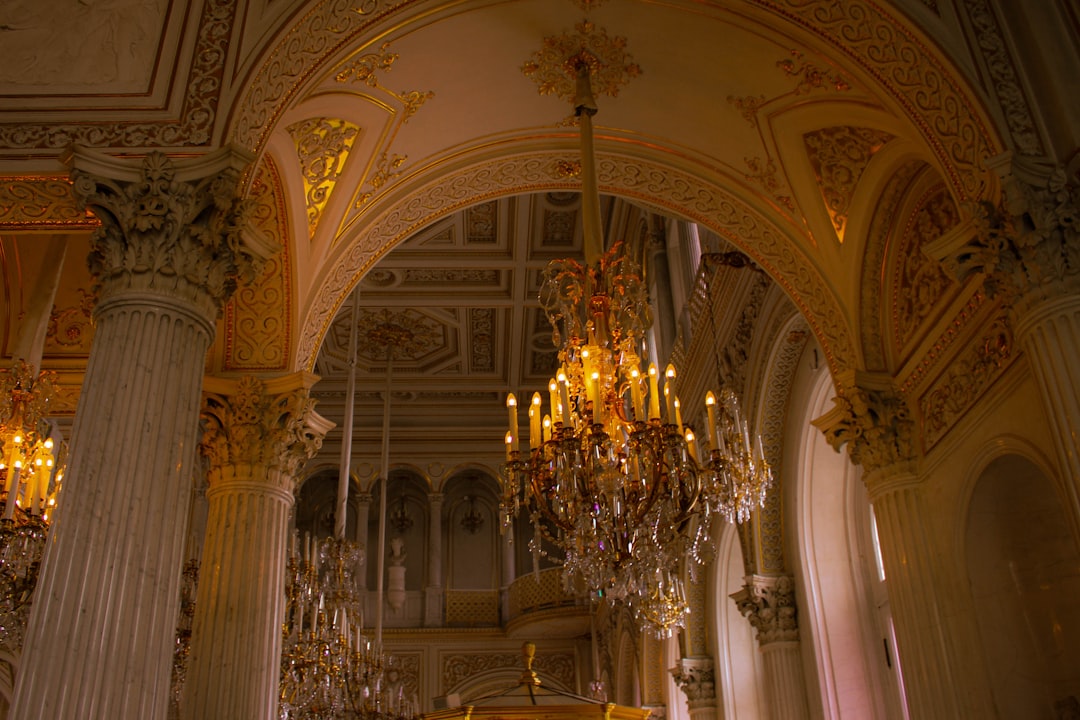
Initially, chandeliers in grand halls and palaces were symbols of status and wealth. Their size and the sheer number of candles or gas mantles required for their operation indicated the affluence of the owner. In early hotels, similar principles applied; a large, ornate chandelier signaled a establishment of prestige. These fixtures were often bespoke, crafted by artisans to complement the existing architecture.
The Rise of Electric Lighting
The late 19th and early 20th centuries saw the widespread adoption of electric lighting. This technological leap allowed for greater design flexibility. Crystal elements, previously used sparingly due to fire hazards from open flames, could now be incorporated more extensively. The sparkle and light refraction properties of crystal became a key attribute, allowing designers to create dazzling displays of light.
Mid-20th Century Modernism
During the mid-20th century, design trends shifted towards more streamlined and functional aesthetics. While chandeliers remained, their forms often became less elaborate, incorporating geometric shapes and frosted glass alongside crystal. This period saw experimentation with new materials and manufacturing techniques that allowed for mass production, making such fixtures more accessible, yet still capable of conveying luxury.
Contemporary Design and Innovation
Today, hotel lobby chandeliers encompass a vast spectrum of styles, from traditional cascading designs to minimalist sculptures of light. Modern manufacturing processes allow for intricate cuts and precise faceting of crystal, maximizing brilliance. LED technology has further expanded design possibilities, enabling energy efficiency and programmable lighting effects. Designers now integrate chandeliers not just for light, but as dynamic art installations.
Design Principles and Aesthetic Impact
The selection and placement of a crystal chandelier in a hotel lobby are governed by several design principles aimed at optimizing its visual and atmospheric contribution.
Scale and Proportion
A fundamental consideration is the relationship between the chandelier’s size and the dimensions of the lobby. A chandelier that is too small can appear lost, while one that is excessively large can overwhelm the space. The ceiling height, floor area, and the visual weight of other lobby elements all play a role in determining appropriate scale. Designers often employ formulas relating room dimensions to chandelier diameter and height to achieve proportional harmony. For example, a common guideline suggests that the sum of the room’s length and width in feet should approximate the chandelier’s diameter in inches. For multi-story lobbies, a cascading design that draws the eye upwards is often preferred, acting as a vertical anchor.
Style and Theme Integration
The chandelier must align with the overall design narrative of the hotel. A classic, ornate crystal fixture might complement a traditional or historic hotel, while a minimalist, sculptural piece would suit a contemporary or boutique establishment. The choice of crystal cut (e.g., Swarovski, Bohemian, Venetian) and the metal finishes (e.g., brass, chrome, bronze) also contribute to the stylistic coherence. Consider, for instance, a hotel drawing inspiration from Art Deco; its lobby chandelier might feature geometric patterns and polished chrome, echoing the period’s sleek elegance.
Light Distribution and Ambiance
Beyond its visual form, the chandelier’s primary function is illumination. The type and number of light sources, as well as the crystal’s refractive qualities, dictate the quality of light emitted. Crystal facets act as prisms, scattering light into a myriad of sparkling reflections, creating a sense of opulence and vivacity. The goal is often to provide ambient light that is warm and inviting, rather than harsh or overly bright. Dimmers are frequently incorporated to allow for adjustable lighting, adapting to different times of day or specific events. The play of light and shadow, often enhanced by the crystal, adds depth and intrigue to the lobby.
Focal Point Creation
A well-chosen crystal chandelier inherently acts as a gravitational center for the eye. It draws attention upon entry, signaling the grandeur and attention to detail within the hotel. This focal point is not merely decorative; it serves as an initial impression, a visual handshake that communicates the hotel’s brand identity. The strategic placement of seating areas or reception desks in relation to the chandelier can further enhance its role as a central anchor within the lobby’s layout.
Practical Considerations and Maintenance
While aesthetics are paramount, the logistical and practical aspects of integrating and maintaining crystal chandeliers in a hotel lobby are equally crucial.
Installation Challenges
The sheer size and weight of many large crystal chandeliers present significant installation challenges. Structural reinforcement of the ceiling is often required to support the substantial load. Access for assembly and mounting, particularly in high-ceilinged lobbies, necessitates specialized equipment such as scaffolding or scissor lifts. Electrical wiring must be sufficient to handle the power requirements, and consideration must be given to integration with the hotel’s existing lighting control systems. The installation process itself is a meticulous operation, often requiring skilled technicians experienced in handling delicate and valuable fixtures.
Cleaning and Upkeep
Maintaining the brilliance of a crystal chandelier demands regular and careful cleaning. Dust and airborne particles can dull the crystal’s sparkle over time, diminishing its effect. Cleaning methods vary depending on the chandelier’s design and accessibility. Smaller fixtures might be disassembled for individual crystal cleaning, while larger installations often require specialized cleaning solutions applied in situ. Hotels typically implement strict maintenance schedules, employing trained staff or external contractors to ensure the crystals remain free of smudges and grime. This can involve using soft cloths, specific cleaning sprays, and protective coverings for the surrounding area. Neglecting regular cleaning can significantly detract from the chandelier’s intended visual impact.
Energy Efficiency and Longevity
Modern crystal chandeliers increasingly incorporate energy-efficient LED lighting. LEDs offer extended lifespan, reduced heat output, and lower energy consumption compared to traditional incandescent or halogen bulbs. This translates to lower operational costs for hotels and a reduced environmental footprint. The durability of the chandelier itself, encompassing the quality of its frame, electrical components, and crystal elements, is a financial consideration. Investing in high-quality materials and craftsmanship can ensure the chandelier remains a functional and aesthetic asset for decades, minimizing the need for costly repairs or replacements. The longevity of the fixture is a testament to its initial investment and the hotel’s commitment to quality.
Impact on Guest Experience
Beyond mere aesthetics, the presence of an elegant crystal chandelier in a hotel lobby has a palpable impact on the guest experience, contributing to both initial impressions and ongoing perceptions.
First Impressions and Brand Identity
Upon entering a hotel lobby, the chandelier often serves as the inaugural visual statement. It can immediately convey a sense of grandeur, sophistication, or avant-garde design, setting the tone for the entire stay. For luxury hotels, a magnificent crystal chandelier reinforces the brand’s commitment to opulence and meticulous design. For boutique hotels, a uniquely designed chandelier can underscore their distinct personality and curated aesthetic. This initial visual “wow factor” can significantly influence a guest’s perception of value and quality before they even reach the front desk. It acts as an unspoken promise of the experience to come.
Atmosphere and Mood Creation
The quality of light emitted by a crystal chandelier, combined with its visual splendor, contributes significantly to the lobby’s atmosphere. The scattered light from myriad facets creates a dynamic and inviting glow, fostering a sense of warmth and welcome. In contrast to utilitarian lighting, the soft, reflective light from a crystal chandelier imbues the space with a feeling of elegance and comfort. This ambiance can encourage guests to linger, socialize, or simply relax. The chandelier becomes a silent conductor, orchestrating the mood of the space.
Perceived Value and Luxury
The cost and craftsmanship associated with high-quality crystal chandeliers inherently contribute to a perception of luxury. Guests often associate such elaborate fixtures with exclusivity and attention to detail. This perception of value extends beyond the physical object; it subtly communicates the hotel’s investment in providing a premium experience. In a competitive market, such visual cues can differentiate a hotel and justify higher room rates, positioning it as a desirable destination. The chandelier acts as a physical manifestation of the hotel’s commitment to refined living.
Evolution in Material and Technology
The enduring appeal of crystal chandeliers is continuously supported by advancements in the materials used and the technologies incorporated into their design.
Crystal Grades and Cuts
The quality of crystal significantly impacts a chandelier’s brilliance. Full lead crystal, with its high lead oxide content, offers superior light refraction, resulting in a dazzling sparkle. However, regulations regarding lead content have led to the development of lead-free alternatives that achieve comparable brilliance through precise cutting and polishing techniques. Manufacturers like Swarovski are renowned for their highly refined crystal elements, each facet meticulously cut to maximize light dispersion. Other materials such as K9 crystal (a type of optical borosilicate glass) offer aesthetic appeal at different price points. The type of cut – whether it be traditional facets, elongated prisms, or modern geometric forms – further influences the play of light and the overall aesthetic.
Metal Finishes and Structural Integrity
The metal frame and supporting elements of a chandelier are crucial for both aesthetics and structural integrity. Common finishes include polished chrome, brushed nickel, antique bronze, and gold plating, each contributing to a distinct style. These metals must be robust enough to support the weight of the crystal and the electrical components. Advances in metallurgy and manufacturing allow for lighter yet stronger frames, facilitating easier installation and greater design freedom. The interaction between the metallic sheen and the sparkling crystal creates a balanced visual texture.
Smart Lighting and Customization
The integration of smart lighting technology has revolutionized chandelier functionality. LED light sources can be individually controlled, allowing for dynamic color changes, programmable dimming sequences, and even integration with hotel-wide automation systems. This enables hotels to adapt the lobby’s ambiance to specific events, time of day, or seasonal themes. Customization options extend to the design itself, with bespoke chandeliers created to perfectly fit a hotel’s unique architectural features and brand vision. Designers can specify everything from the arrangement of crystal strands to the exact hue of the light emitted, creating truly unique installations.
The Future of Hotel Lobby Chandeliers
The trajectory of crystal chandeliers in hotel lobbies suggests a continued evolution driven by artistic innovation, technological advancement, and a sustained appreciation for their unique aesthetic contribution.
Sustainable Design Initiatives
As environmental concerns grow, future chandelier designs will likely prioritize sustainability. This includes using recycled or ethically sourced materials, employing highly energy-efficient LED modules, and designing fixtures for ease of repair and component replacement, extending their lifespan. The concept of “circular design” where materials can be recycled at the end of a chandelier’s life will become more prevalent. Hotels seeking LEED certification or pursuing green initiatives will demand chandeliers that align with these values.
Interactive and Dynamic Installations
Beyond static illumination, future chandeliers may become increasingly interactive. This could involve fixtures that respond to guest movement, ambient light levels, or even sound, creating dynamic visual experiences. Programmable light patterns, integrated video projections onto crystal surfaces, and chandeliers that subtly change form or color could transform the lobby into an immersive environment. The chandelier could evolve from a static focal point to a living, breathing art installation.
Blurring Lines with Art and Sculpture
The distinction between a chandelier and a work of art is already becoming increasingly blurred in contemporary design. Future installations may push this boundary further, with chandeliers designed primarily as sculptural elements that happen to emit light. These pieces could utilize unconventional materials alongside crystal, incorporating elements of nature, abstract forms, or cutting-edge digital fabrication techniques. The emphasis will be on creating unique, memorable experiences that transcend the traditional definition of a light fixture, positioning the chandelier as a central piece of architectural artwork.
In conclusion, elegant crystal chandeliers in hotel lobbies are more than just sources of light. They are historical artifacts, artistic statements, and integral components of the guest experience. Their design, implementation, and maintenance are complex endeavors that blend aesthetic aspiration with practical consideration. As hotels continue to seek ways to differentiate themselves and enhance guest satisfaction, the crystal chandelier will likely remain a centerpiece, adapting to new technologies and design philosophies while retaining its core function as a symbol of elegance and grandeur.