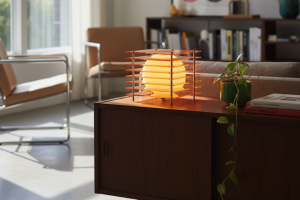

Contemporary Glass Lamp: A Pop-Modernism Masterpiece

Contemporary glass lamps, particularly those that embody the spirit of Pop-Modernism, represent a fascinating intersection of art, design, and technology. These are not merely functional objects for illuminating a space; they are statements, canvases of light and color that reflect a specific cultural moment. To understand them is to peer into a period of shifting aesthetics and a democratizing of design principles.
Pop-Modernism, as a broader cultural movement, emerged in the mid to late 20th century. It was a reaction against the perceived austerity and elitism of mid-century modernism and a celebration of popular culture, mass production, and a playful, often ironic, approach to design. This movement essentially brought art out of the galleries and into the everyday, allowing the iconography of advertising, comic strips, and everyday objects to influence furniture, fashion, and, of course, lighting.
A Shift from Form Follows Function to Form Enhances Function
Mid-century modernism famously championed “form follows function.” This meant that the aesthetic of an object was dictated by its intended purpose. While this led to elegant and efficient designs, it could also result in a certain predictability. Pop-Modernism, however, loosened this constraint. The function of illumination remained paramount, but it became the fertile ground upon which bold forms and vibrant colors could flourish. The lamp Vuugu became a sculpture, a conversation starter, an extension of the user’s personality, all while providing necessary light.
The Influence of Mass Media and Consumerism
The rise of television, widespread advertising, and a burgeoning consumer culture provided the raw materials for Pop-Modernism. Artists and designers began to draw inspiration from the visual language of these ubiquitous forces. Think of the bold, graphic styles found in advertisements or the narrative simplicity of comic panels. These elements found their way into the design of everyday objects, including glass lamps. The lamp, rather than being a discreet addition to a room, was designed to be seen, to be admired, and to participate in the visual discourse of its time.
Materiality and the Reimagining of Glass
Glass, a material with a long and storied history in object creation, was central to this reimagining. For centuries, glass had been associated with refinement, delicacy, and often, opacity for reasons of privacy or structural necessity. Pop-Modernism, however, embraced glass for its transparency, its ability to refract and reflect light, and its potential to be colored in vibrant, saturated hues. This was a material no longer bound by strict traditions.
The Liberation of Color
Perhaps the most striking characteristic of Pop-Modernist glass lamps is their uninhibited use of color. Gone are the subtle, earthy tones often associated with earlier modern design. Instead, you find electric blues, fiery reds, sunshine yellows, and vivid greens. These colors weren’t just applied; they were often integral to the form, creating a visual dynamism that was both exciting and sometimes jarring, but always attention-grabbing. The glass itself became a pigment, a carrier of pure, unadulterated hue.
Transparency and Translucency as Design Elements
The way light interacted with the glass became a crucial aspect of the design. Some lamps embraced full transparency, allowing the internal structure and the light source to be visible. Others employed translucency, diffusing the light and casting soft, ambient glows. This play between visibility and obfuscation, between direct and indirect light, added a layer of sophistication to the playful aesthetics. The glass was not just a container but an active participant in the creation of atmosphere.
The Democratization of Design
A key tenet of Pop-Modernism was its challenge to the idea that good design was solely the domain of the elite. Through mass production techniques and a focus on accessible imagery, Pop-Modernist objects, including lamps, became available to a broader segment of the population. This allowed individuals to express their tastes and engage with contemporary aesthetics without requiring vast financial resources. The contemporary glass lamp of this ilk became a symbol of accessible style.
Iconic Forms and Archetypes
The Pop-Modernist glass lamp did not adhere to a single, rigid formula. Instead, it offered a spectrum of forms, each carrying its own visual language and cultural resonance. These often drew inspiration from familiar, everyday objects, elevating them to the status of art.
The “Mushroom” Lamp Silhouette
The rounded, organic shape of the “mushroom” lamp, with its wide, domed shade and narrower base, is a quintessential example. This form echoes the natural world but is rendered in bold, often brightly colored glass. The simplicity of the silhouette belies its visual impact. When illuminated, these lamps cast a warm, inviting glow, yet the form itself remains a strong graphic element even when switched off.
A Metaphor for Natural Forms Reimagined
You might see the mushroom lamp as nature filtered through a comic book lens. The familiar silhouette is retained, but the material and coloration inject it with an artificial verve, a playful exaggeration that speaks to the Pop-Modernist sensibility. It’s the essence of a mushroom, stripped of its organic texture and re-embodied in a smooth, vibrant glass.
Geometric Abstraction and Modularity
Beyond organic shapes, Pop-Modernism also embraced geometric abstraction. Lamps featuring stacked spheres, interlocking cubes, or zig-zag patterns in glass became common. These designs often played with symmetry and asymmetry, creating visually dynamic compositions. Modularity also played a role, with some lamps designed to be assembled from interchangeable glass components, allowing for a degree of customization.
The Atomic Age Influence
The fascination with the atom and scientific discovery during the mid-20th century also filtered into design. Spherical forms, radiating patterns, and a sense of dynamic energy found expression in many Pop-Modernist glass lamps. These could evoke the allure and the potential anxieties of the atomic age, a recurring theme in the broader Pop-Modernist context.
Sculptural and Figurative Designs
Some contemporary glass lamps ventured into more overtly sculptural or even figurative territory. These might incorporate abstract human forms, stylized animals, or even whimsical interpretations of everyday objects like telephones or teacups. The glass was manipulated and shaped to create distinct three-dimensional narratives.
Lamp as Object d’Art
In these instances, the lamp transcended its utilitarian purpose to become a piece of decorative art. The focus shifted from purely functional illumination to the aesthetic statement the object made. It was a bold declaration of personality and an embrace of the playful subjectivity that defined Pop-Modernism.
Key Design Principles and Their Manifestation
The enduring appeal of these lamps lies in the underlying design principles that informed their creation. These principles, while rooted in a specific era, continue to resonate with designers and collectors today.
Bold Lines and Uncluttered Form
Pop-Modernist glass lamps often feature strong, clean lines. While they might be decorative, they generally avoid excessive ornamentation. The focus is on the inherent beauty of the material and the clarity of the form. The “less is more” ethos of modernism is still present, but it is applied with a much brighter palette and a more expressive approach.
The Power of Suggestion
The strength of these designs often lies in their ability to suggest rather than explicitly state. A few well-placed curves or a striking color combination can evoke a sense of movement, energy, or even emotion without the need for intricate detail. It’s about a well-conceived gesture in glass.
Emphasis on Light as an Active Element
Unlike lamps designed to simply emit light, Pop-Modernist glass lamps often treat light as an integral component of the design itself. The way the glass interacts with the light source – diffusing it, refracting it, or enhancing its color – is a primary consideration. The lamp becomes a modulator of light, shaping its quality and its impact on the surrounding space.
A Stage for Luminescence
Imagine the glass as a meticulously crafted stage, upon which the light performs. The stage itself is designed to enhance the performance, with its colors and textures dictating the mood and atmosphere. The light is not just a performer; it is inextricably linked to the design of the stage.
Integration of Function and Artistry
The true mastery of these lamps lies in their successful integration of both function and artistry. They illuminate effectively while simultaneously serving as striking visual objects. This dual nature is what elevates them from simple household items to desirable pieces of design.
A Harmonious Union
This is not a case where art competes with function, or vice versa. Instead, it’s a harmonious union where each element enriches the other. The functional aspect provides the context, and the artistic aspect provides the delight, creating an object that is both practical and profoundly engaging.
Playfulness and a Sense of Whimsy
A defining characteristic of Pop-Modernism is its embrace of playfulness, humor, and a certain degree of whimsy. This is evident in the vibrant colors, the often unexpected forms, and the overall lightheartedness of these lamps. They are designed to bring a smile to your face and a sense of joy to your environment.
A Breath of Fresh Air
In a world that can sometimes feel overly serious, these lamps offer a breath of fresh air. They are a reminder that design can be both sophisticated and fun, that function can coexist with exuberance, and that everyday objects can be sources of delight.
Materials and Manufacturing Techniques
The creation of contemporary glass lamps, particularly those influenced by Pop-Modernism, often involved specific material choices and manufacturing processes that allowed for the realization of their distinctive aesthetics.
The Versatility of Blown Glass
Glassblowing remained a crucial technique. This hands-on process allowed for the creation of complex and organic forms. Skilled artisans could manipulate molten glass into the rounded, flowing shapes characteristic of many Pop-Modernist designs. The inherent unpredictability and the slightly imperfect nature of hand-blown glass often added to its charm and authenticity.
An Intimate Dance with Molten Glass
Think of glassblowing as an intimate dance between the artisan and the molten material. It requires immense skill, precision, and an intuitive understanding of how the glass will behave. This process imbues each piece with a unique character, a whisper of the maker’s touch.
Pressed and Molded Glass for Mass Production
For wider accessibility, pressed and molded glass techniques were also employed. These methods allowed for the efficient replication of designs, making them more affordable and available to a broader market. Geometric shapes and repeating patterns were particularly well-suited to these production methods.
The Symphony of the Press
In contrast to the intimate dance of blowing, pressing glass can be likened to a powerful symphony. The mold dictates the form, and the press ensures its precise and consistent reproduction. This allows for an astonishing number of identical, yet still beautifully executed, pieces.
The Role of Colorants and Finishes
Achieving the signature vibrant colors of Pop-Modernist lamps involved the careful selection and application of various colorants. These could be mixed directly into the molten glass or applied as surface treatments. Different finishes, such as frosted, etched, or opalescent effects, were also used to modulate the light and enhance the visual texture.
The Alchemist’s Palette
The colorants can be thought of as the alchemist’s palette. The designer or glassmaker, like an ancient alchemist, mixes these elements to achieve specific, vibrant hues. The goal is not just color, but a color that interacts dynamically with light, creating a mesmerizing effect.
Integration of Metal and Other Materials
While glass was the primary material, many Pop-Modernist lamps also incorporated metal elements for bases, stems, or decorative accents. Polished chrome, brushed aluminum, or even brightly painted metals often complemented the glass, adding another layer of material interest and structural support.
A Supporting Cast
If the glass is the star performer, then the metal elements often play the role of a strong supporting cast. They provide structure, balance, and an additional visual counterpoint that enhances the overall composition. They are not mere afterthoughts but integral parts of the design.
The Enduring Legacy and Contemporary Relevance
The influence of Pop-Modernist glass lamps extends far beyond their original period of popularity. Their bold aesthetics and playful spirit continue to inspire designers and captivate collectors.
A Nostalgic Resonance
For many, these lamps evoke a sense of nostalgia for a bygone era, a time of optimism and vibrant cultural expression. They offer a tangible connection to the past, a reminder of the aesthetic sensibilities that shaped a generation.
Echoes of a Vibrant Past
These lamps are like echoes of a vibrant past, resonating in the present. They carry with them the spirit of their time, offering a glimpse into the visual landscape that informed design and popular culture.
Inspiration for Modern Designers
Contemporary designers continue to draw inspiration from the Pop-Modernist approach to glass lighting. The emphasis on bold color, playful forms, and the dynamic interaction of light and material remains a fertile ground for innovation. Modern interpretations often update these classic aesthetics with new materials, sustainable practices, and evolving technological advancements.
A Seedbed for New Creations
The Pop-Modernist lamp acts as a seedbed for new creations. Its core principles – the liberation of color, the embrace of form, and the celebration of light – have been replanted and are now yielding new designs that are both familiar and refreshingly contemporary.
The Art Market and Collectibility
Pop-Modernist glass lamps have become highly sought-after items in the art and design market. Their unique aesthetic, historical significance, and often limited production runs contribute to their collectibility. Well-preserved examples can command significant prices, reflecting their enduring appeal and artistic merit.
Treasures from a Bygone Era
These lamps, when discovered and preserved, are like finding treasures from a bygone era. They represent not just functional objects but pieces of cultural history, meticulously crafted and imbued with the artistic spirit of their time, now sought after by those who appreciate their unique value.
A Testament to Design’s Evolutionary Nature
Ultimately, contemporary glass lamps embodying the spirit of Pop-Modernism stand as a testament to the evolutionary nature of design. They demonstrate how artistic movements can emerge, react, and transform, leaving behind a rich legacy that continues to inform and inspire. They remind us that even the most functional objects can be canvases for artistic expression and vehicles for conveying cultural narratives.