Bold and Modern: Artistic Acrylic Pendant Lamp

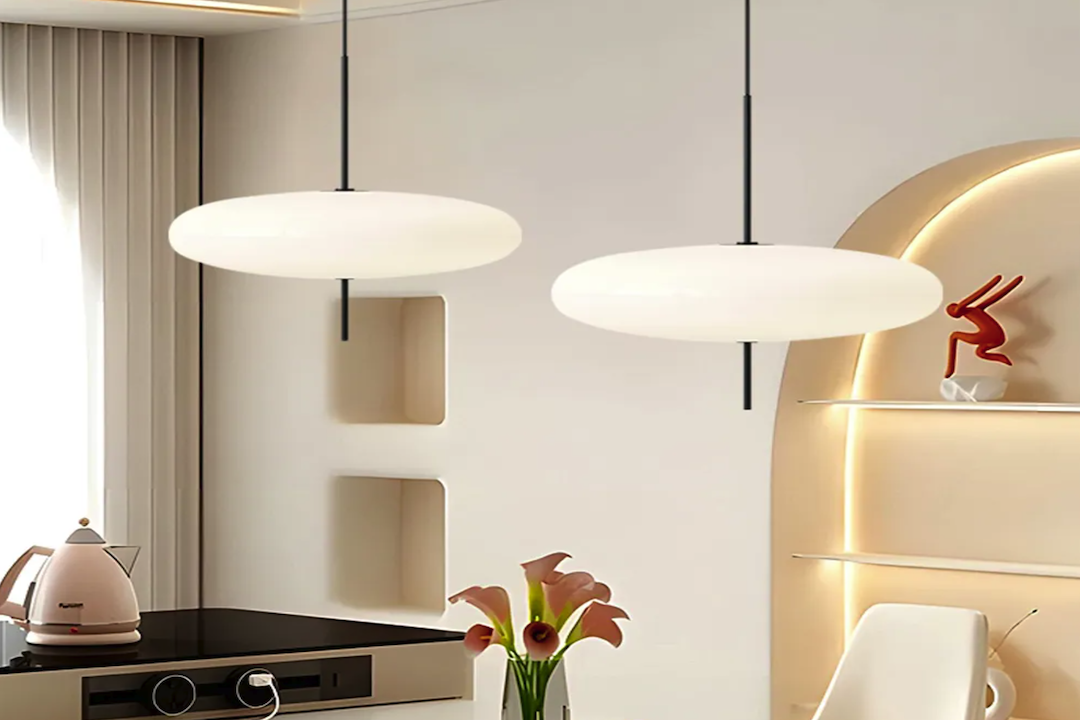
The “Bold and Modern: Artistic Acrylic Pendant Lamp” is a contemporary luminaire design characterized by its use of acrylic as a primary material, often combined with metallic or other synthetic components. This type of pendant lamp emphasizes clean lines, geometric forms, and a departure from traditional chandelier Aesthetics. Its conceptualization and production reflect modern industrial design principles, focusing on both aesthetic appeal and functional utility.
To understand the “Bold and Modern: Artistic Acrylic Pendant Lamp Kkcomm ,” one must first examine the broader historical trajectory of lighting design and the introduction of new materials.
Early Lighting Innovations
Prior to the 20th century, lighting fixtures were primarily functional, relying on candles, oil, or gas. Elaborate designs often involved glass, metal, and sometimes crystal, acting as decorative elements to diffuse light or refract it into captivating patterns. The industrial revolution brought about gaslight and then electric incandescent light, fundamentally altering how interiors were illuminated and how luminaires were conceived.
The Modernist Movement
The early 20th century saw the rise of modernism, a philosophical and art movement that championed functionality, simplicity, and a rejection of excessive ornamentation. Designers like Walter Gropius and Ludwig Mies van der Rohe, associated with the Bauhaus school, advocated for designs that were both aesthetically pleasing and mass-producible. This era saw the introduction of new materials like steel, concrete, and early plastics into architectural and design applications. Lighting fixtures from this period began to shed ornate details, embracing geometric forms and understated elegance.
Post-War Innovation and the Rise of Plastics
The mid-20th century, particularly the post-World War II era, witnessed an explosion in materials science. Plastics, initially considered novel and somewhat utilitarian, began to be integrated into everyday objects. Acrylic, specifically polymethyl methacrylate (PMMA), gained prominence due to its transparency, lightweight nature, durability, and ease of manufacturing. Designers began to explore acrylic’s potential, utilizing its malleability for innovative forms and its optical properties for light manipulation. This period laid the groundwork for the widespread adoption of acrylic in lighting.
Contemporary Design and Minimalist Trends
The late 20th and early 21st centuries have further refined minimalist aesthetics. Contemporary design often prioritizes clean lines, open spaces, and a harmonious balance between forms and functions. The “Bold and Modern: Artistic Acrylic Pendant Lamp” fits squarely within this lineage, offering a sophisticated yet understated lighting solution that complements modern interiors. It represents a confluence of historical trends, material advancements, and evolving aesthetic preferences.
Materiality and Manufacturing Processes
The choice of acrylic as the primary material for these pendant lamps is central to their defining characteristics. Understanding its properties and how it is processed is crucial to appreciating the final product.
Properties of Acrylic (PMMA)
Acrylic, or polymethyl methacrylate (PMMA), is a transparent thermoplastic. Its key properties make it suitable for lighting applications:
- Transparency: Acrylic transmits up to 92% of visible light, making it clearer than many types of glass. This allows for excellent light diffusion and transmission.
- Lightweight: Compared to glass, acrylic is significantly lighter, simplifying installation and reducing structural stress.
- Impact Resistance: Acrylic is much more resistant to impact than glass, making it less prone to shattering. This enhances safety and durability.
- UV Resistance: High-quality acrylic maintains its clarity and color over time without yellowing, even with prolonged exposure to ultraviolet radiation.
- Formability: Acrylic can be easily molded, thermoformed, or fabricated into complex shapes, offering designers significant creative freedom.
- Optical Clarity: Its smooth surface and refractive index allow for precise light control and distribution.
Manufacturing Techniques
The production of “Bold and Modern: Artistic Acrylic Pendant Lamps” employs various manufacturing techniques, leveraging the versatility of acrylic.
Laser Cutting and CNC Machining
Many designs begin with sheets of acrylic that are precisely cut using laser technology or computer numerical control (CNC) routers. This allows for intricate patterns, sharp edges, and consistent component sizes. The precision of these methods ensures high-quality fabrication and minimal material waste.
Thermoforming
For curved or three-dimensional shapes, thermoforming is a common technique. Acrylic sheets are heated to a pliable temperature and then draped over molds, vacuum-formed, or pressure-formed into the desired contours. This method enables the creation of seamless, organic, or geometrically complex forms that would be difficult or impossible with traditional glass.
Adhesion and Assembly
Individual acrylic components are often joined using specialized acrylic adhesives, which chemically bond the pieces together, creating strong and virtually invisible seams. Mechanical fasteners, such as screws or clips, may also be used, particularly when combining acrylic with metal accents. The assembly process is often meticulous, ensuring the structural integrity and aesthetic finish of the lamp.
Surface Treatments and Finishes
Acrylic can be polished to a high gloss, resulting in a smooth, reflective surface. It can also be frosted, textured, or tinted during manufacturing to achieve different light diffusion effects or color variations. These surface treatments contribute significantly to the “artistic” aspect of the lamp, allowing for variations in perceived luminosity and ambiance. The interplay of light passing through or reflecting off these surfaces is a key element of the lamp’s visual appeal.
Design Principles and Aesthetic Characteristics
The “Bold and Modern: Artistic Acrylic Pendant Lamp” embodies several key design principles, giving it a distinctive aesthetic identity.
Minimalism and Simplicity
At its core, the design champions minimalism. Unnecessary embellishments are eschewed in favor of clean lines and essential forms. This approach aligns with the adage “form follows function,” where the lamp’s structure and materials directly inform its appearance. The simplicity allows the quality of the materials and the purity of the design to take center stage.
Geometric Forms and Abstract Shapes
Many designs feature strong geometric elements – spheres, cylinders, cubes, pyramids, or more complex polyhedra. These shapes provide a contemporary and structured look. Others experiment with abstract or organic forms, leveraging acrylic’s mouldability to create fluid, sculptural pieces that often appear suspended in air, challenging traditional notions of lamp shade design. The interaction of these forms with light often creates dynamic shadows and patterns on surrounding surfaces.
Transparency and Light Interaction
The inherent transparency of acrylic is a foundational element. It allows light to pass through, creating a diffused glow that is soft yet effective in illuminating a space. Furthermore, the edges of acrylic pieces often catch and refract light, creating subtle iridescent effects or glowing contours. The material’s ability to be clear or colored allows for variations in emitted light, influencing the mood and atmosphere of a room. This play of light through and around the acrylic form is a deliberate design choice, transforming the lamp into a luminous sculpture.
Contrast and Juxtaposition
Designers frequently employ contrast to enhance the “bold” aspect of these lamps. This can involve:
- Material Contrast: Combining transparent acrylic with opaque elements like brushed metal or dark wood at the suspension point creates a visual anchor and highlights the ethereal quality of the acrylic.
- Form Contrast: Juxtaposing sharp angles with soft curves within a single design adds visual interest and depth.
- Light-Dark Contrast: The illuminated acrylic against a darker ceiling or wall creates a striking focal point, particularly in spaces with subdued ambient lighting.
Scale and Presence
These pendant lamps are often designed to make a statement. Their “boldness” can manifest in their physical size, creating a substantial presence in a room, or in their distinctive shape, which draws the eye. Despite their visual prominence, their transparent nature often prevents them from feeling overly heavy or obstructive, maintaining an open and airy feel in the space. They are often conceived not just as functional light sources, but as sculptural elements within a larger interior composition.
Functional Applications and Interior Integration
Beyond their aesthetic appeal, “Bold and Modern: Artistic Acrylic Pendant Lamps” offer practical advantages and versatile integration into various interior design schemes.
Versatility in Placement
These lamps are suitable for a wide range of interior settings:
- Dining Areas: Suspended above a dining table, they provide focused downward light while adding a sophisticated decorative element that does not visually obstruct the view across the table.
- Living Rooms: As a central feature, they can define a seating area or add a contemporary focal point.
- Entryways and Foyers: Their striking appearance can create a welcoming and impressive first impression.
- Commercial Spaces: In upscale retail environments, hotels, or corporate lobbies, they convey a modern and artistic sensibility, enhancing brand perception.
- Home Offices: Providing adequate task lighting with an elegant design, they contribute to a productive and aesthetically pleasing workspace.
Lighting Quality and Ambiance
The acrylic material allows for various approaches to light diffusion:
- Warm vs. Cool Light: The choice of light source (LED temperature) allows for tailoring the ambiance – warm for inviting spaces, cool for modern or task-oriented environments.
- Diffused Illumination: Many designs utilize the acrylic to soften the light emitted from the bulb, reducing harsh shadows and creating an even, ambient glow across a wider area.
- Accent Lighting: Some designs feature internal light sources that highlight the acrylic’s form itself, creating a sculptural effect even when the surrounding area is dimly lit. The lamp becomes a source of light and a canvas upon which light plays, offering both general illumination and selective emphasis.
Integration with Modern and Contemporary Styles
These lamps are natural complements to modern and contemporary interior design aesthetics. Their clean lines and material choices resonate with:
- Minimalist Decor: They fit seamlessly into spaces that prioritize simplicity and functionality, adding refinement without visual clutter.
- Industrial Chic: When paired with concrete, exposed brick, or metal accents, they can provide a sophisticated contrast.
- Scandinavian Design: Their emphasis on natural light, functional design, and understated elegance aligns well with Scandinavian principles.
- Eclectic Interiors: A well-chosen acrylic pendant can act as a striking contemporary focal point within an otherwise eclectic space, tying diverse elements together with its modern sensibility.
The “Bold and Modern: Artistic Acrylic Pendant Lamp” often serves as an anchor in a room, drawing the eye upwards and establishing a visual axis. Its presence can unify disparate elements within an interior scheme, acting as a visual exclamation point in a carefully composed sentence.
Environmental Considerations and Sustainability
As with any manufactured product, the environmental impact and sustainability of “Bold and Modern: Artistic Acrylic Pendant Lamps” are important considerations for consumers and manufacturers alike.
Life Cycle of Acrylic
The primary raw material for acrylic (PMMA) is derived from petroleum. Its production involves chemical processes that require energy and can have environmental implications. However, acrylic also offers distinct advantages in other stages of its life cycle.
- Durability: Its long lifespan reduces the frequency of replacement, contributing to less waste over time compared to more fragile materials.
- Lightweight for Transport: The reduced weight of acrylic lamps can lead to lower transportation emissions compared to heavier glass or metal alternatives.
Recyclability and Waste Management
Acrylic is generally thermoplastics, meaning it can be melted down and reformed.
- Post-Industrial Recycling: Manufacturers can recycle their own offcuts and waste from production, minimizing landfill impact.
- Post-Consumer Recycling: While technically recyclable, the collection and processing infrastructure for post-consumer acrylic waste are not as widespread as for common plastics (e.g., PET bottles). However, efforts are growing to improve this, with specialized recycling facilities handling acrylic. When considering these lamps, you, as a consumer, might explore options for end-of-life recycling if such services are available in your region.
Ethical Production and Material Sourcing
The “Bold and Modern: Artistic Acrylic Pendant Lamp,” like any product, benefits from transparent manufacturing practices.
- Responsible Sourcing: Reputable manufacturers should ideally source acrylic from suppliers committed to environmentally sound production processes. This might include using energy-efficient methods or exploring bio-based acrylic alternatives that are currently under development.
- Energy Efficiency in Use: The lamp itself, when paired with energy-efficient LED light sources, significantly reduces electricity consumption during its operational lifetime. This is arguably the most impactful sustainable choice you make as a consumer.
The long-term sustainability of these lamps lies in their durability, the adoption of efficient energy sources, and the responsible management of their entire life cycle. As technology and recycling infrastructure evolve, the environmental profile of acrylic products is expected to improve.
Maintenance and Care
To ensure the longevity and aesthetic integrity of your “Bold and Modern: Artistic Acrylic Pendant Lamp,” proper maintenance is essential.
Regular Cleaning
Dust and smudges can accumulate on acrylic surfaces, detracting from their clarity and light transmission.
- Dusting: Use a soft, lint-free microfiber cloth or a feather duster for regular dusting. Avoid abrasive cloths, which can scratch the surface.
- Cleaning Solutions: For smudges or grime, use a mild soap (e.g., dish soap) diluted with water. Apply with a soft cloth and gently wipe the surface.
- Avoid Harsh Chemicals: Never use ammonia-based cleaners (like window cleaner), abrasive cleaners, or solvents (e.g., acetone, thinner) on acrylic. These can cause clouding, hazing, or irreparable damage to the material.
Handling and Installation
While durable, acrylic can still be scratched.
- Gentle Handling: During installation or cleaning, handle the lamp carefully to avoid impact or dragging it against rough surfaces.
- Protective Measures: If disassembly is required for cleaning or bulb replacement, place acrylic components on a soft, clean surface to prevent scratching.
Light Source Replacement
- LED Compatibility: Most modern acrylic pendant lamps are designed for LED bulbs. Always use the specified type and wattage of bulb to prevent damage and ensure optimal performance. Adhering to manufacturer guidelines is crucial for electrical safety and the longevity of both the lamp and the light source.
- Cooling: Ensure adequate ventilation if the lamp design incorporates enclosed bulb compartments, as excessive heat can potentially affect acrylic over very long periods, although this is less of a concern with modern LEDs that produce minimal heat.
With minimal but consistent care, an “Bold and Modern: Artistic Acrylic Pendant Lamp” will retain its clarity and visual appeal for many years, continuing to function as a sophisticated and aesthetic element in your interior space. Proper maintenance is a small investment that yields significant dividends in preserving the lamp’s beauty and functionality.